Reconciliation restores communion among those whose bond of mutual belonging has been impaired or even severed.
The foundation of Reconciliation is a simple principle: what is common among human beings ought to prevail over every discord. This should especially be the concern of Jesus’ disciples, whose common bond through Baptism demands that they be responsible for building the unity of the Church and the missionary responsibility of building the unity of the entire human race.
The Paulist Fathers stand at the forefront of reconciliation through a wide pastoral process to address the needs of listening, healing, dialogue and reconciliation in the Church today.
Jesus Christ, present in Scripture and sacrament, is central to all that we do; he must always be the measure and not what is measured. Around this central conviction, the church’s leadership, both clerical and lay, must reaffirm and promote the full range and demands of authentic unity, acceptable diversity, and respectful dialogue, not just as a way to dampen conflict but as a way to make our conflicts constructive and a means to understand for ourselves and articulate for our world the meaning of discipleship of Jesus Christ.
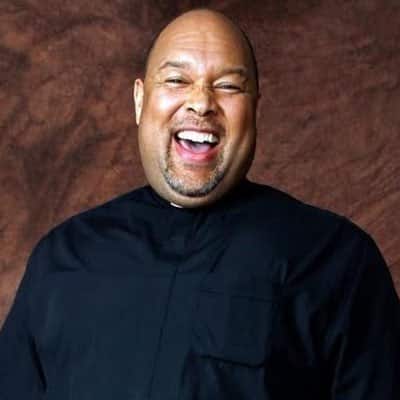
Paulist Fr. Steven Bell leads parish missions, retreats, revivals and workshops.
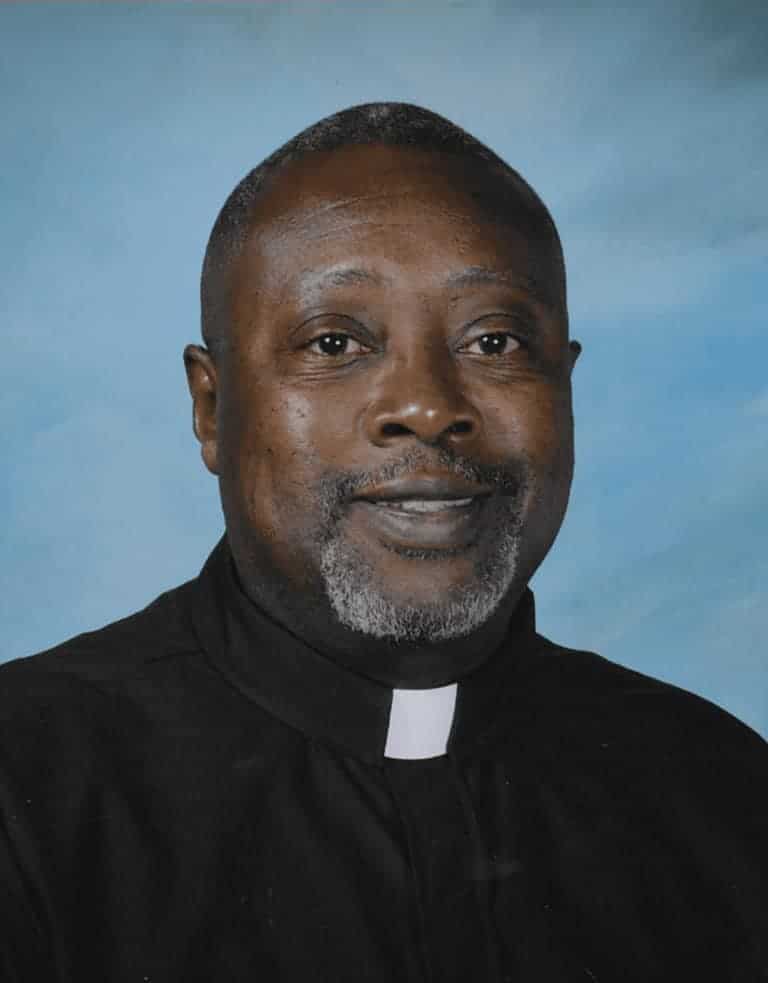
Paulist Fr. Bartholomew Landry is pastor of St. Gregory the Great Church in San Diego.

A safe harbor (or a “landing” place) for returning Catholics to explore their faith and their future with the Church.

Insights, practices, and encouragement for the journey to relational reconciliation
God of compassion,
You sent Jesus to proclaim a time of mercy
reaching out to those who had no voice,
releasing those trapped by their own shame,
and welcoming those scorned by society.
Make us ambassadors of reconciliation.
Open our ears that we may listen with respect and understanding.
Touch our lips that we may speak your words of peace and forgiveness.
Warm our hearts that we may bring wholeness to the broken-hearted
and dissolve the barriers of division.
Guide the work of your Church
and renew us with the Spirit of your love.
Help us and all people shape a world
where all will have a place,
where the flames of hatred are quenched,
and where all can grow together as one.
Forgive, restore and strengthen us through our Lord Jesus Christ.
Amen.

A listener named Mark asks Father Dave about the Easter season in the Catholic Church. "I'm a new Catholic. How long is the Easter season?"...
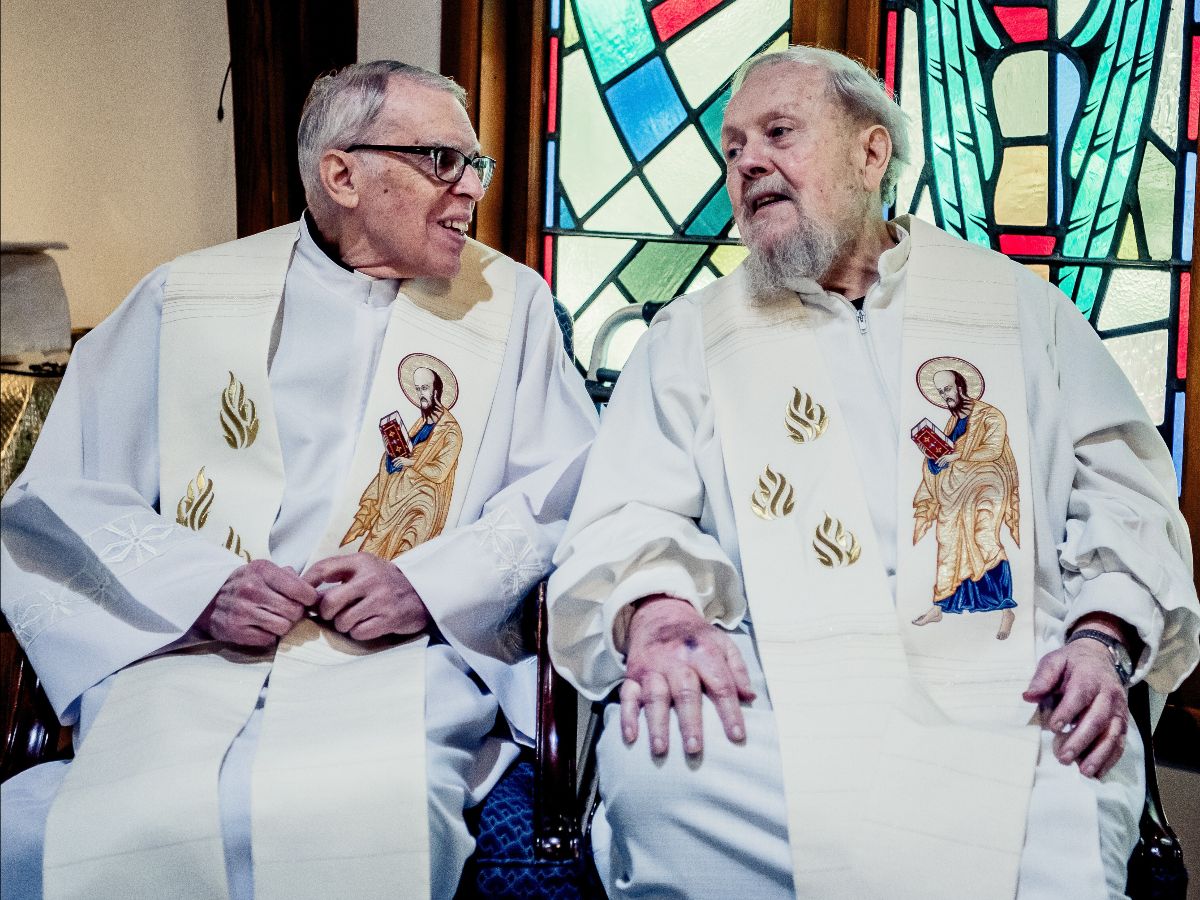
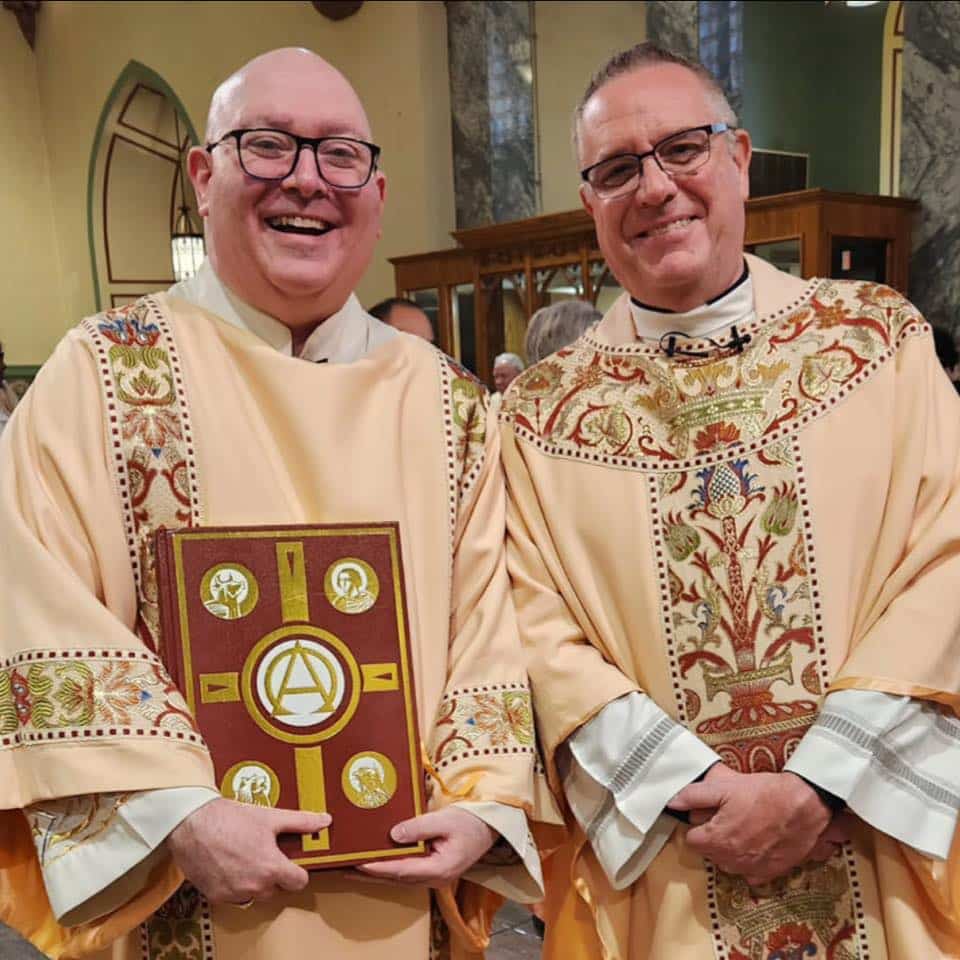
The upcoming anniversaries of Paulist Fr. James Kolb and Paulist Fr. Steve Bossi were celebrated with a special Mass on Saturday, May 2, at St....
This special episode features an audio diary from Deacon Mike Hayes while he attended the 25th anniversary celebrations for Busted Halo, the Paulist media ministry, last month.
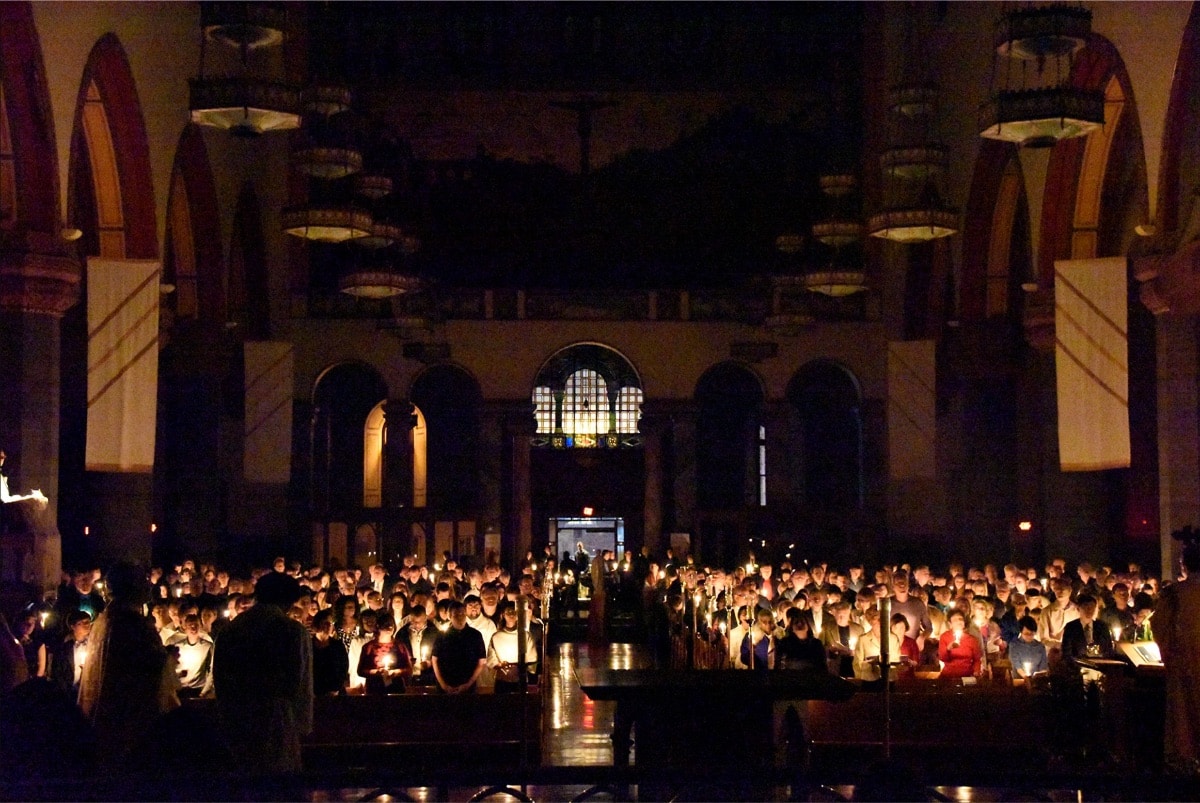
In April, Busted Halo ministries celebrated its 25th birthday with a show in front of a live audience in New York City! As part of...
In this issue: Faith and belief: Why? And how? Associates share in Spirit of Hecker Awards; Registration opens for 2026 Associate Annual Retreat.
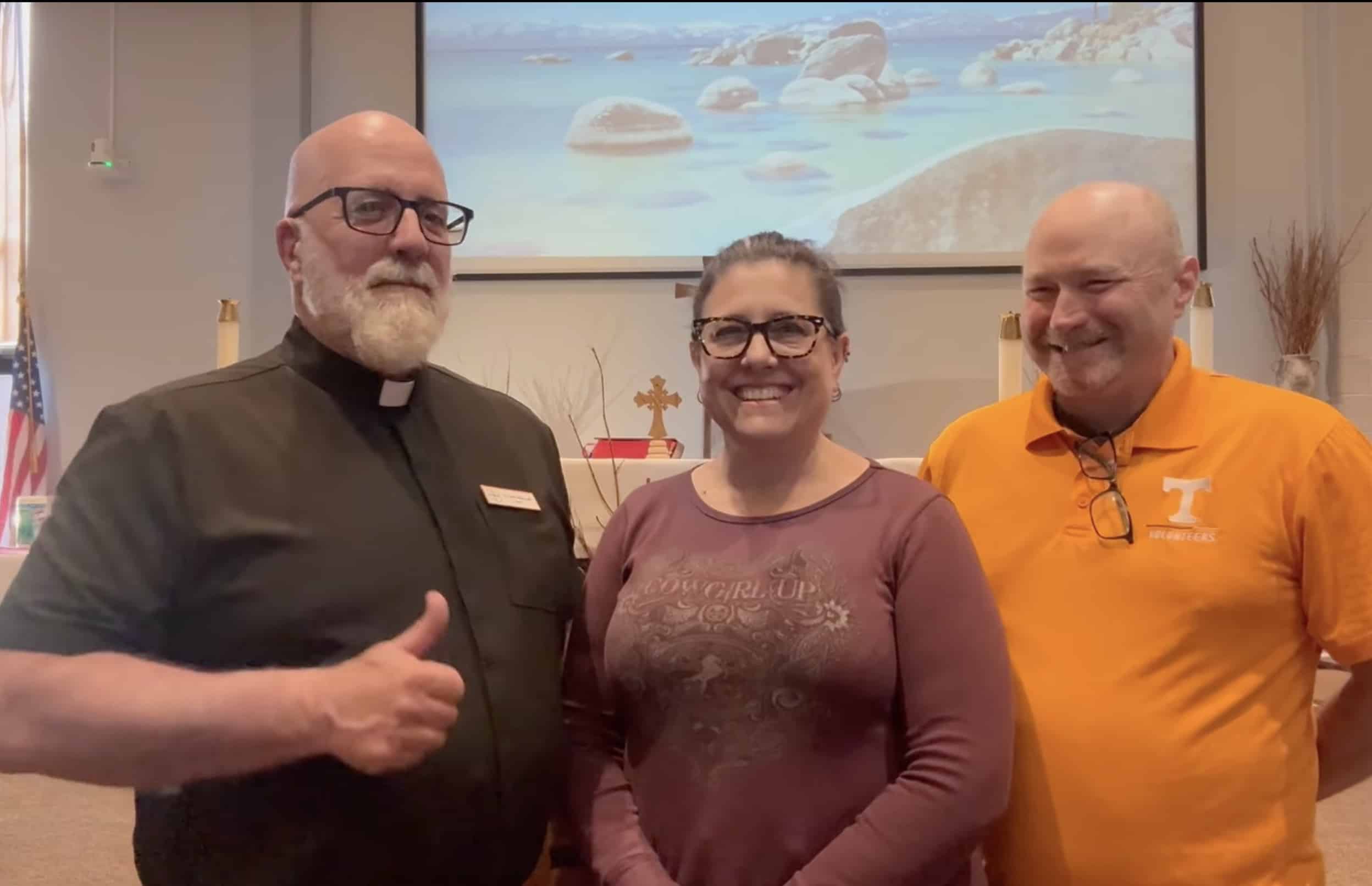
If you missed our broadcast on Saturday evening, please consider watching "The 2026 Spirit of Hecker Awards: Building Bridges Through Charity." The awards honor those...

The Church celebrates Saint Catherine of Siena's feast day on April 29, and Father Dave welcomes Scripture teacher and veteran tour guide Joan Watson to...
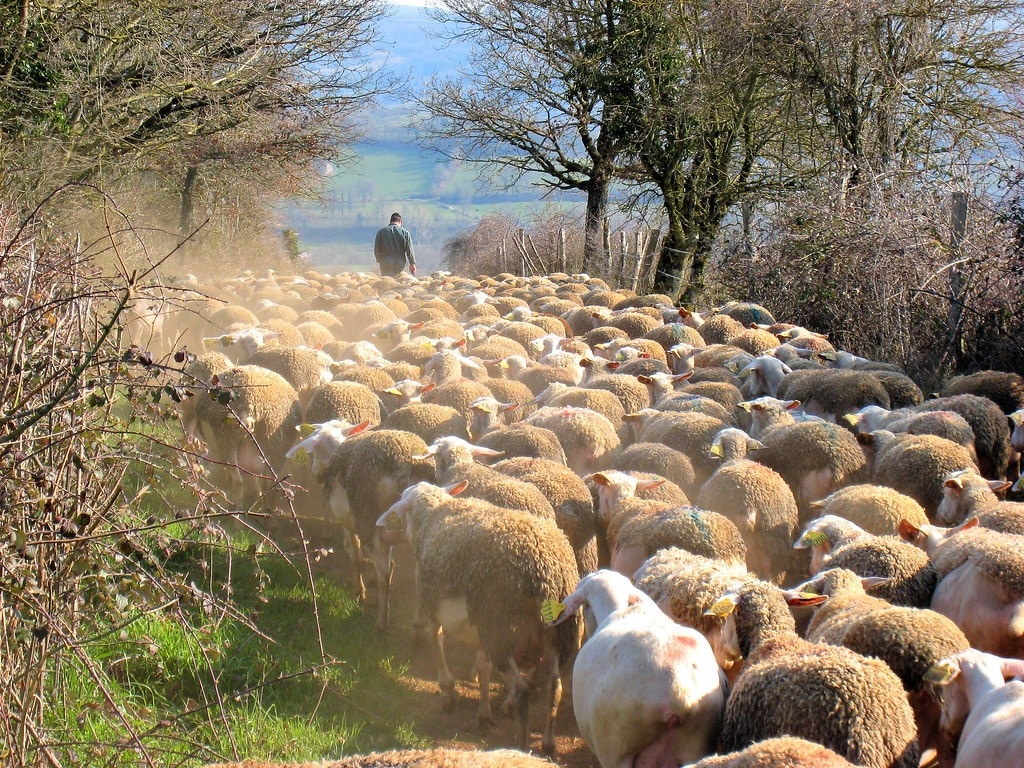
What I learned on a sheep farm 25 years ago.